They Call Me…Soo
(蘇)
Directed by Tyler Kang
Presented by NOWNESS Asia
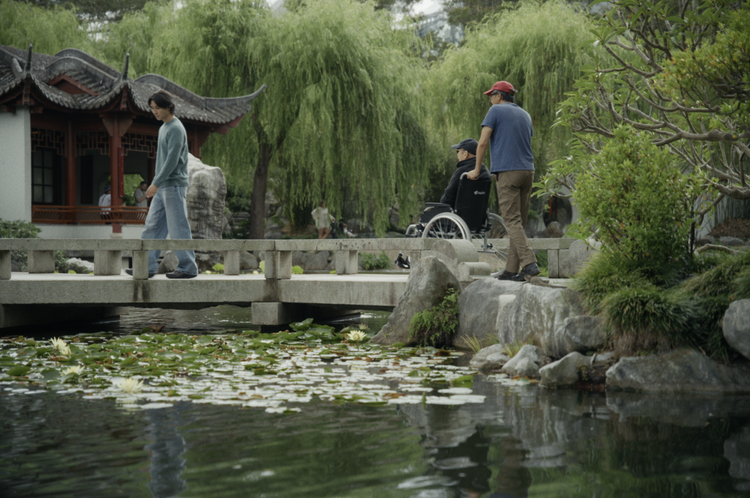
Together with his son and grandson, 100-year-old Colin Soo retraces history as he reflects on Cantonese Australian landmarks in Sydney.
Documentary, 2025
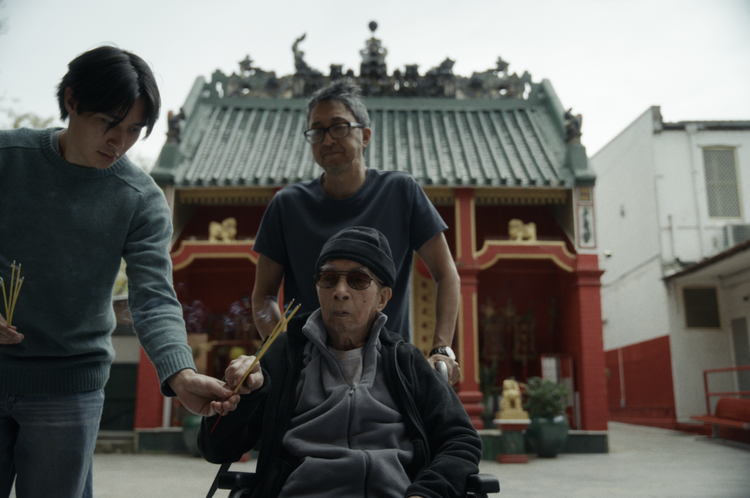
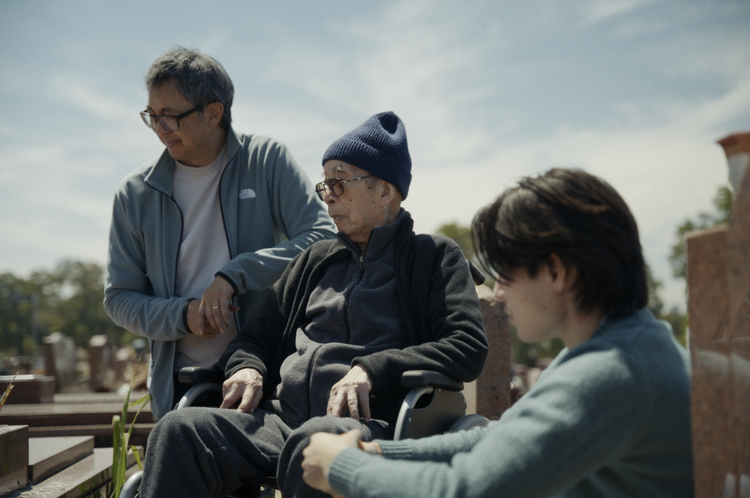
Cinematography by Gus DeVylder
In his short documentary Soo (蘇), Tyler Kang portrays a Cantonese-Australian family navigating the legacies of memory. Kang focuses on centenarian Colin Soo – a beloved figure in Sydney’s Cantonese Australian community and the founder of the first Chinese restaurant in Wagga Wagga, New South Wales. This intimate portrait of Soo explores generational bonds and the quiet struggles of immigrant families who shaped Sydney before multiculturalism was ever recognised socially.
While working on a different documentary, Kang learned about Colin Soo through the latter’s grandson, Liam, who also happens to be the director’s close friend. Liam introduced his grandfather as “someone who could still vividly recall what Sydney’s Chinatown was like in the 1950s and 60s,” Kang explained. Soo’s sense of humour and “enthusiastic ambivalence” immediately made him a compelling subject for the documentary.
“Colin is an ordinary man who took some risks in his life and showed other people from his village that a different kind of life was possible in Sydney…his humour and subtle reflections shifted the focus from purely historical recounting to something more intimate: a portrait of a life lived fully, and the ways personal memory intersects with cultural history”
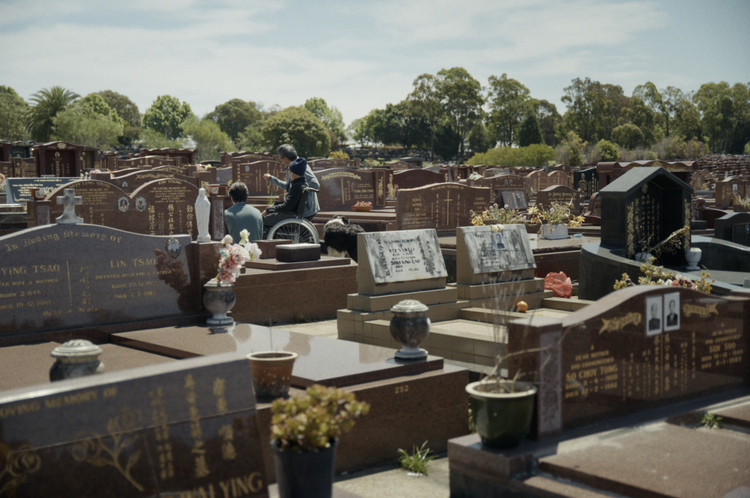
Kang worked on this short at a time when documenting cultural history at the level of personal memory has become even more important. Today, redevelopment pressures, changing demographics, and generational gaps continue to strain places like Yiu Ming Temple, Dixon Street, and Rookwood Cemetery, which were once central gathering hubs for Cantonese Australians.
The director approached the filmmaking process like a “fly on the wall”, documenting moments as they unfolded. Inspired by Wim Wenders’ Perfect Days and the documentaries of Frederick Wiseman, he incorporated observational qualities, using static frames to immerse viewers in Colin’s world while also distinguishing himself from the handheld style that often appears in contemporary documentaries. They decided to include interviews of Colin’s son and his grandson later in the process as they looked for connections between past and present.
Editor Taku Rogers and Kang first worked on the film without the interview footage shown on screen, “organically following a series of moments” from Colin’s life. Cinematographer Gus Devylder’s eye for composition and subtlety was essential in capturing the small gestures and quiet moments that define Colin’s character. Sound designer Christina Booth also encouraged this attention to narrative, incorporating ad-libs only recorded on the voice memos app that added dimension to the story. Then, composer Julia Potter added a dream-like quality, inviting viewers to wander through Colin’s mind.
Kang continues to explore memory: what is carried, what is buried, and what is left behind, in his upcoming project Susan, I’m Disappearing, “a love letter to the buildings, people, and languages that shaped Sydney’s Chinatown,” centring on one of its oldest buildings, Kwong War Chong, and the pioneering woman behind it, Susan Pang.